


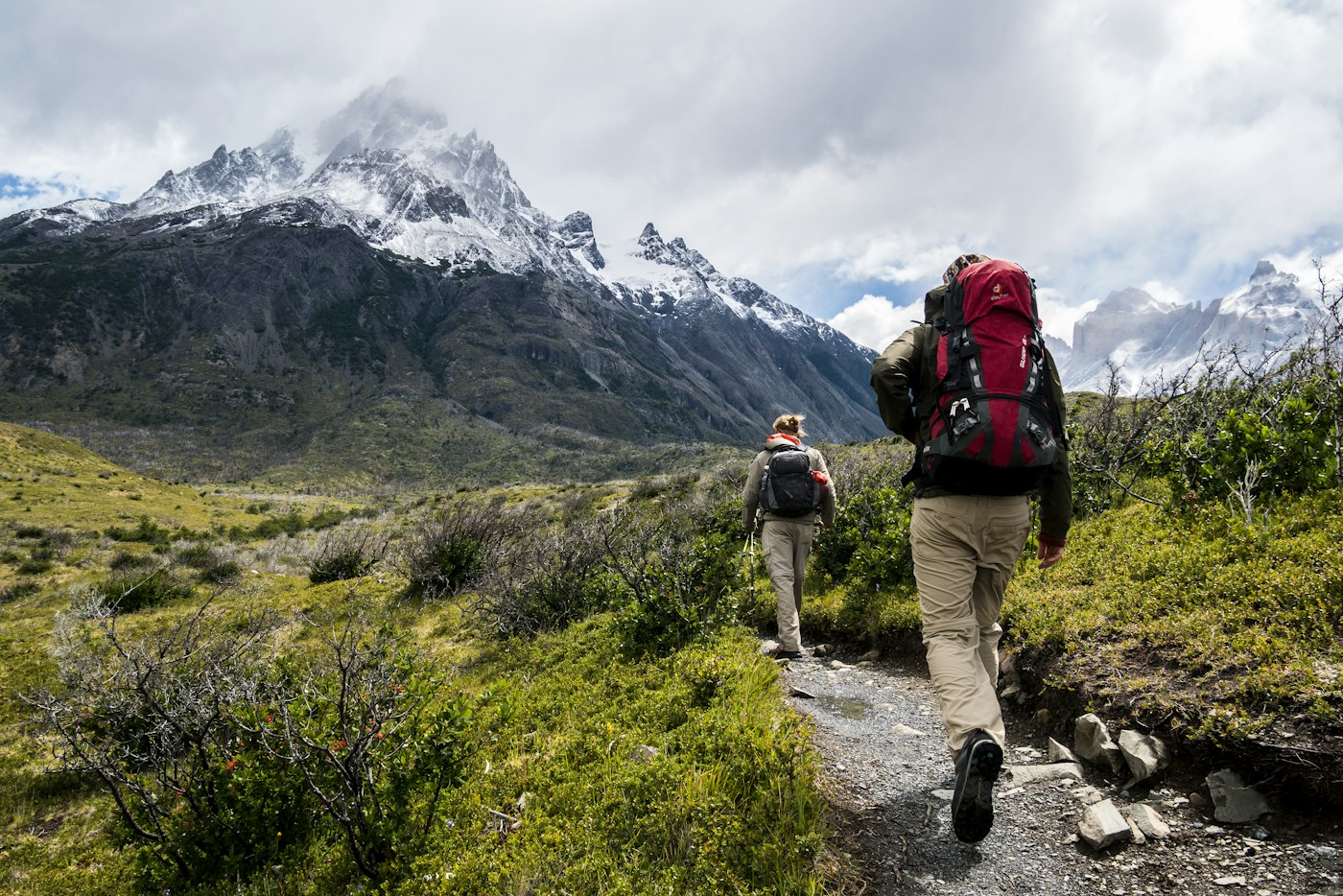
There is a moment on every thru-hike when the weight on your back stops being a number on a scale and becomes the thing standing between you and the next mile. That moment usually hits somewhere around day three, when the initial adrenaline fades and you realize every ounce matters. After years of guiding customers through their first big trips here at Moss Mountain, and after logging my own miles on the AT and Blue Ridge trails, I have learned that the right gear does not just make a hike easier. It makes it possible.
Here are the ten items I tell every first-time thru-hiker to invest in.
1. A Pack That Fits Like a Handshake
Your backpack is the single most important gear decision you will make. It needs to distribute weight evenly, fit your torso length precisely, and offer enough capacity without encouraging overpacking. We recommend the Deuter Aircontact series for thru-hikers. The adjustable back system lets you dial in the fit as your body changes over weeks on the trail, and the ventilated mesh panel keeps your back from turning into a swamp on humid Virginia days.
Come into the shop and let us fit you properly. A ten-minute fitting saves weeks of shoulder pain.
2. Boots You Can Trust at Mile 200
Your feet are your engine. Treat them accordingly. We carry Vasque boots because they have been making trail-worthy footwear for over a century, and their Breeze line strikes the perfect balance between ankle support and lightweight agility. For thru-hikers, I recommend breaking them in for at least 50 miles before your start date. Your feet will thank you somewhere around week two.
3. Socks That Work Overtime
Smartwool merino wool socks are non-negotiable. Cotton will destroy your feet with blisters in the first three days. Merino regulates temperature, wicks moisture, and resists odor far longer than any synthetic. Pack three pairs minimum: one on your feet, one drying on your pack, one clean for sleeping. The PhD Outdoor line is our bestseller for a reason.
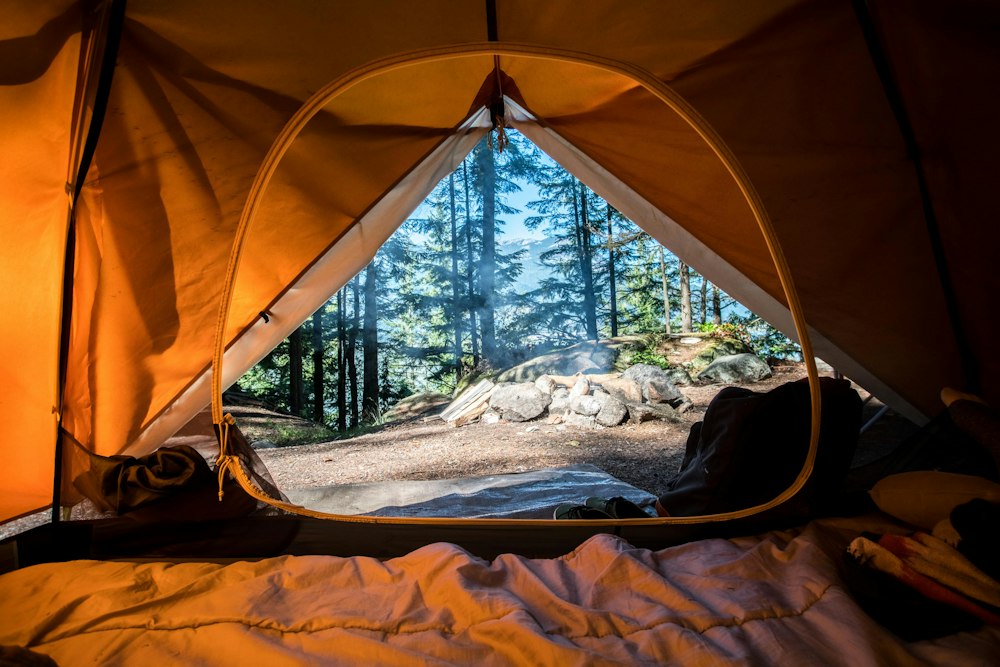
4. A Shelter That Weighs Less Than Your Worries
On a thru-hike, you will set up and tear down your tent hundreds of times. The Big Agnes Copper Spur series has become our go-to recommendation because it balances weight, livability, and durability in a way few tents can match. At under three pounds for a two-person model, it gives you room to sit up and wait out a storm without punishing you on the climbs.
5. A Stove That Boils Fast and Packs Small
Hot food is not a luxury on a thru-hike. It is morale. The JetBoil Flash system boils water in about 100 seconds, nests into itself for packing, and sips fuel efficiently enough that one canister lasts a week of twice-daily use. When you are cold, wet, and tired, the difference between a hot meal in two minutes versus ten minutes is the difference between keeping your spirits up and calling for a pickup.
6. Hydration That Keeps You Moving
Dehydration is the silent killer of thru-hike ambitions. A CamelBak reservoir paired with a quality water filter lets you drink on the move without stopping to dig out a bottle. We recommend a three-liter reservoir for most hikers, supplemented with a collapsible bottle for camp use. Plan your water carries based on your map, and always know where your next source is.
"The best piece of gear is the one you forget you are carrying. If your pack disappears on your back, your boots feel like slippers, and your layers keep you comfortable without thinking, that is when you stop worrying about gear and start experiencing the trail." -- Landon Moss, Moss Mountain Outfitters
7. A Light That Frees Your Hands
A reliable headlamp is one of those items that seems minor until the sun drops below the ridge and you are still two miles from camp. Black Diamond headlamps lead the industry in brightness-to-weight ratio, and models like the Spot 400 offer enough output to navigate technical terrain after dark. Always carry spare batteries. Always.
8. Clothing That Moves With You
KUHL makes our favorite hiking pants and shorts because they understand that trail clothing needs to stretch, breathe, and dry quickly. Their Renegade series is practically a uniform among our regular customers. For upper body layers, look for fabrics that wick and dry in under an hour. Avoid cotton entirely. The old saying holds true: cotton kills.
9. A Layering System, Not Just Layers
Spring in the Blue Ridge can throw 30-degree mornings and 75-degree afternoons at you in the same day. prAna makes excellent mid-layers that pack small and perform across a wide temperature range. Build your system in three parts: a moisture-wicking base, an insulating mid-layer, and a waterproof shell. Each piece should work on its own and play well with the others.
10. The Right Mindset (And a Good Map)
This one is free but arguably the most valuable. A thru-hike will test you in ways you cannot prepare for physically. The hikers who finish are rarely the fittest. They are the most adaptable. Carry a physical map as a backup to your phone, know your bail-out points, and be willing to adjust your plan when the trail demands it.
Before You Hit the Trail
Stop by Moss Mountain at 326 Main Street in Danville and let us walk you through your gear list. We have helped hundreds of hikers prep for their first long-distance trail, and we carry every item on this list from brands we trust and use ourselves. No pressure, no upselling. Just honest advice from people who love the trail as much as you do.
- Free pack fitting with every backpack purchase
- Boot fitting specialists on staff every day
- 10% off for thru-hikers with a valid permit
- Gear shakedown consultations by appointment
Head up. Eyes forward. We will see you out there.